
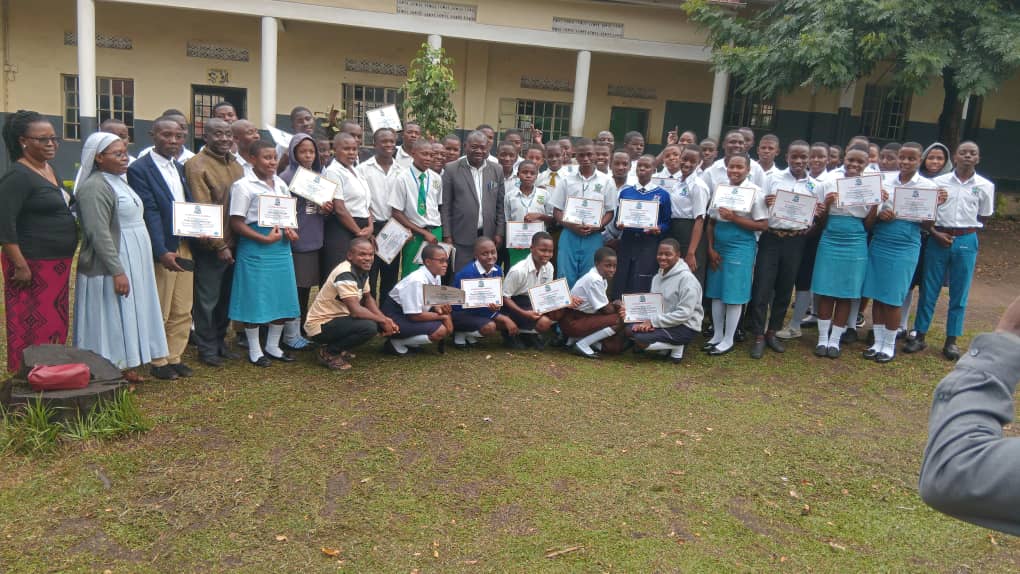
The UNICEF Digital Innovation BootCamp, held from 1st to 5th December 2025 at Bwera Secondary School in Kasese District, was a remarkable gathering of young innovators from across the Rwenzori region. Participants were drawn from Bwera Secondary School, Kuruhe High School, Nyakiyumbu Secondary School, Karambi Secondary School, and St. Theresa Girls School. Each school selected its top 10 graduands—students who had successfully completed all six modules of the UNICEF Digital Skills Toolkit and demonstrated exceptional interest and mastery in digital literacy. Bringing these brilliant young minds together in one place created an atmosphere of excitement, hope, and possibility. As one of the Digital Skills Master Trainers, I had the privilege of walking with them through a week of learning, discovery, and transformation.
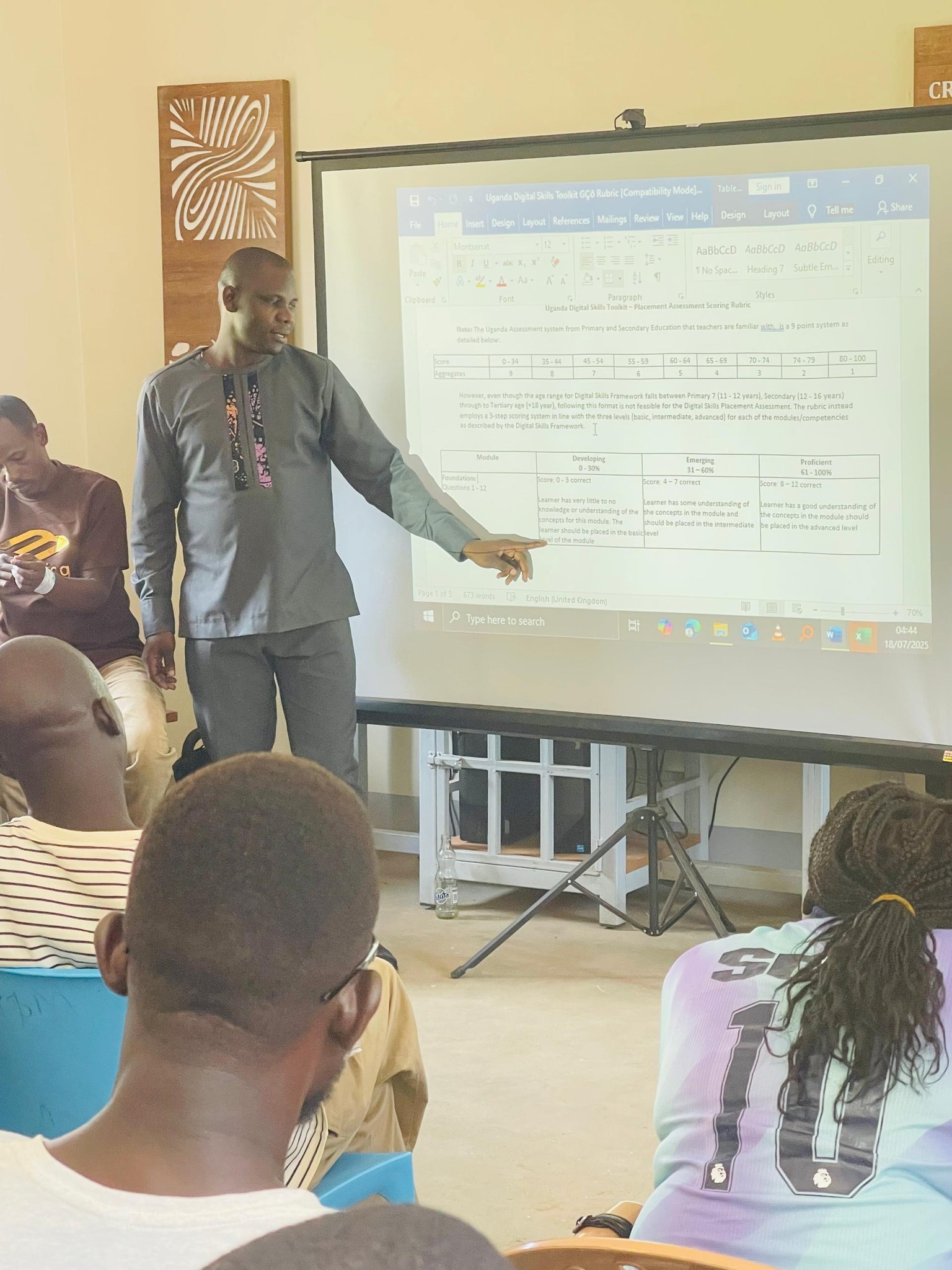
From the very first day, it was clear that the BootCamp would be more than just a training. The learners arrived eager, curious, and ready to embrace a new challenge. After the official opening and orientation, we guided them through an initial evaluation of the digital skills they had gained from the six-module training. It was inspiring to see the confidence they displayed as they used digital tools to identify problems affecting their communities. Working in teams, they analyzed issues such as poor waste management, sanitation challenges, student safety concerns, and gaps in communication within schools and villages. Their discussions were insightful and grounded in real experience, setting a strong foundation for the work ahead.
The second day deepened this understanding as participants immersed themselves in user research. Using the i-UPSHIFT methodology, they explored the root causes of the problems they had identified through Problem Tree Analysis, the 5 WHYs, and Stakeholder Mapping. Equipped with smartphones, Google Forms, Microsoft Forms, and digital note-taking apps, they stepped out to gather evidence from real users—interviewing classmates, teachers, community members, and peers. Their courage to ask questions, listen attentively, and document findings showed not only their growing digital competence but also their emerging leadership.
As their confidence grew, the third day opened the door to design thinking. Participants used their research to create detailed user personas in Canva, helping them view problems from the perspective of the people affected. This activity sparked a deeper sense of empathy and ownership. They then developed solution goals and crafted “How Might We” statements, which gave rise to a wave of creativity during the brainstorming sessions. Using digital tools like PowerPoint and AI-based platforms, the teams generated numerous ideas—some ambitious, others simple but impactful. What stood out most was their ability to combine digital skills with imagination in a way that felt both authentic and refreshing.
By the fourth day, ideas began taking shape as tangible prototypes. The transformation was exciting to watch. Using tools such as Canva, Word, Paint, and even smartphone apps, participants sketched out their concepts, created digital mockups, and drafted solution summaries. The co-creation and user testing sessions allowed them to refine their ideas, making adjustments based on real feedback. From digital awareness campaigns to innovative safety systems and school waste management solutions, the prototypes reflected not only creativity but also a deep commitment to solving real problems. As their trainer, I was inspired by their persistence, teamwork, and determination to make their solutions viable.
The final day was a celebration of learning, growth, and innovation. Before presenting their ideas, participants explored additional skills such as planning resources, raising finances, creating simple WordPress pages, and designing infographics using Canva. These activities helped prepare them for the moment they had been working toward all week—the pitch presentations. One after another, the teams stepped forward with confidence, presenting their findings, their prototypes, and the stories behind them. Their presentations showed maturity, skill, and genuine passion for creating change. For many, it was their first time standing before a panel, yet they carried themselves with dignity and pride. As certificates were awarded and photos taken, there was a shared sense of accomplishment in the air.
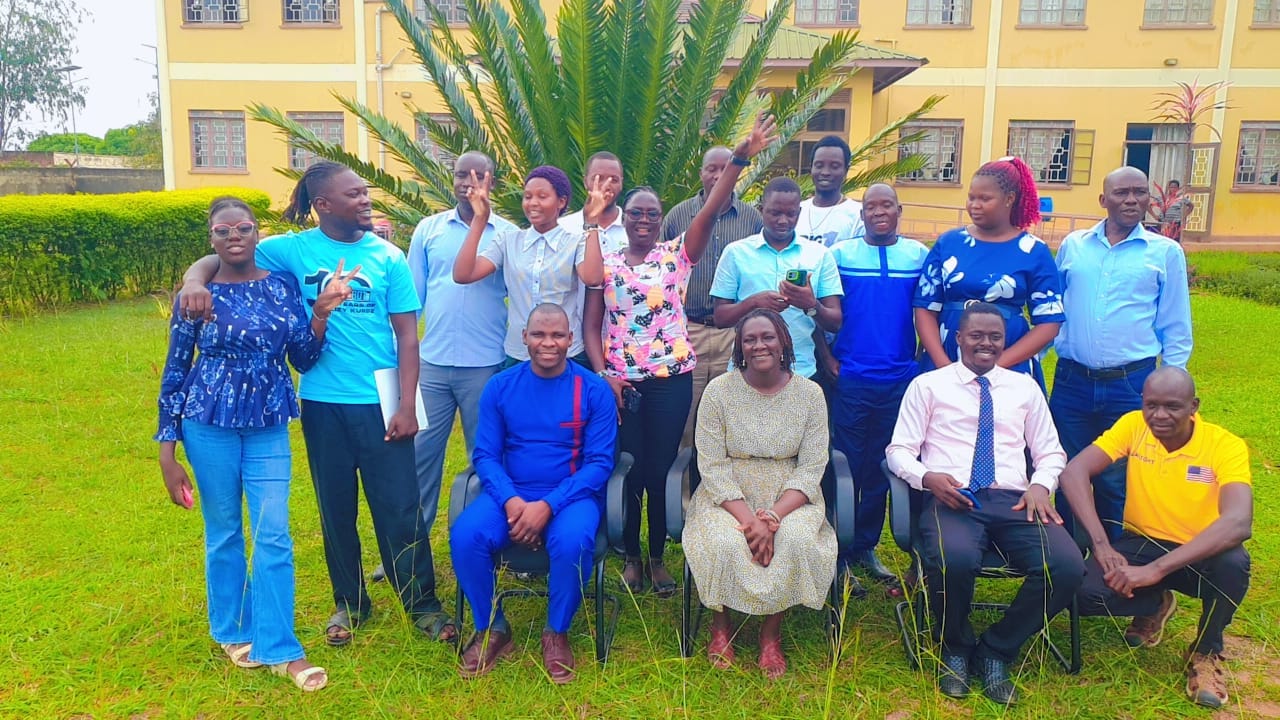
Reflecting on the entire experience, the BootCamp was more than a skills training—it was a transformation. Students from five different schools came together not just to learn digital tools, but to understand their communities more deeply and to design solutions grounded in empathy and creativity. The blend of digital literacy and the i-UPSHIFT problem-solving methodology empowered them to think critically, work collaboratively, and innovate responsibly. For me, serving as a Digital Skills Master Trainer was both fulfilling and inspiring. I witnessed firsthand the power of equipping young people with the right tools and guidance. Their enthusiasm reminded me that the future of innovation lies in the hands of those willing to learn, experiment, and lead with courage.
The UNICEF Digital Innovation BootCamp demonstrated that when young people are empowered with knowledge, skills, and opportunity, they become powerful agents of change. The ideas born in that one week may be the seeds of solutions that will impact schools, homes, and communities across the region. And that, more than anything, is the true success of the BootCamp.
Leave a Reply